
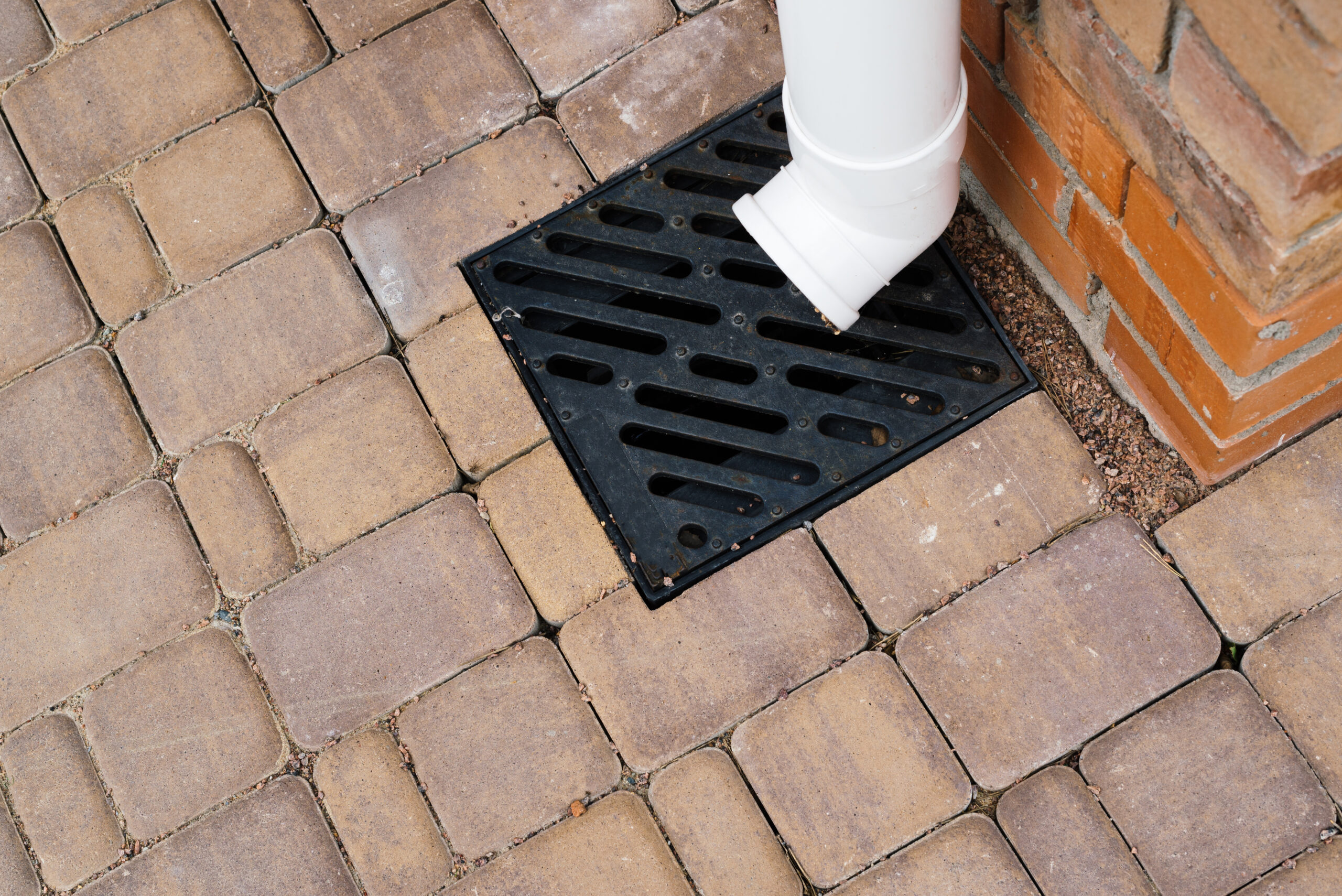
Whether you are preparing a driveway, landscaping a garden, installing a patio, creating a new access route or carrying out wider building work, drainage should be considered before the first excavation begins.
It is easy to focus on the finished appearance of an outdoor project. Homeowners may be thinking about new paving, a level lawn, retaining walls, a garden room or a fresh driveway. Contractors may be concentrating on access, machinery, materials and timescales. However, the way rainwater moves around the site can have a major effect on how well the completed project performs.
Poor drainage can lead to standing water, muddy areas, damaged paving, erosion, slippery surfaces and moisture collecting too close to a building. These issues are often more difficult and costly to correct once landscaping or construction work has already been completed.
Planning for drainage from the start gives a project a stronger foundation. It helps ensure that water has a suitable route away from key areas, ground levels are considered carefully and drainage features work properly with the rest of the site.
Drainage Is About More Than Drains
When people think about drainage, they may picture a drain cover, channel drain or underground pipe. In reality, drainage is about the whole journey water takes across a property.
Rainwater falls onto roofs, driveways, patios, lawns and hard surfaces. It then needs somewhere to go. If the ground is levelled incorrectly, paving is laid without suitable falls or roof water is discharged into the wrong area, water can begin to collect where it should not.
A well-planned drainage approach looks at the full site. This can include the slope of the land, the position of buildings, the type of soil, existing drains, roof gutters, downpipes and the surfaces being installed.
The aim is not simply to move water away quickly. It is to guide it safely and sensibly without creating a problem elsewhere on the property.
Why Ground Levels Matter
Ground levels are one of the most important parts of drainage planning.
A patio, driveway or garden path may look level to the eye, but even small changes in height can affect where water flows. If the finished surface slopes towards a property instead of away from it, rainwater may collect near walls, doors or thresholds.
This can create several issues over time. Water may splash back onto external walls, encourage damp conditions around the building or make entrances more slippery during wet weather. In colder conditions, standing water can also contribute to frost-related damage on paving and surfaces.
Before excavation or preparation begins, it is useful to consider the existing levels and how they will change after the project is complete. Removing soil, adding sub-base materials or installing new paving can all affect the final height of the ground.
A project should be planned so that finished surfaces direct water away from buildings, entrances and areas that need to remain accessible.
Think About Rainwater From the Roof
Roof water is sometimes overlooked during landscaping and groundwork projects. However, it can have a significant effect on the condition of paths, patios, driveways and garden areas.
If gutters overflow or downpipes discharge directly onto a paved surface, water may repeatedly collect in the same location. This can encourage moss and algae growth, create slippery patches and affect the condition of the surrounding area.
When planning new drainage channels, soakaways, landscaping or driveway work, it is worth checking where existing roof water is being directed. The position of downpipes may influence where drainage needs to be improved or where channels should be installed.
For projects that involve updating roofline drainage as well as groundworks, homeowners and contractors can explore aluminium gutters and downpipes from Alugutter. Coordinating roof drainage with the wider site plan can help reduce water-related issues around the property.
Avoid Creating New Problem Areas
A common issue with outdoor improvements is that one area is improved without considering how it affects the rest of the site.
For example, a new driveway may direct water towards a side path. A patio may create a low point near an external wall. A raised lawn may change the way rainwater moves through a garden. Even a new garden building can alter the flow of water if its roof drainage is not included in the plan.
This does not mean projects need to become overly complicated. It simply means thinking ahead before work begins.
A good starting point is to observe the property during or after rainfall. Notice where puddles form, where water runs naturally and which areas remain wet for longer. These are often the places that need the most attention during planning.
By identifying possible trouble spots early, it is easier to build suitable drainage measures into the project rather than trying to add them later.
Consider the Ground Conditions
The type of ground beneath a project can influence how water behaves.
Some soils allow water to drain more freely, while others retain moisture for longer. Clay-heavy ground, compacted soil and areas that have been disturbed by previous construction work may be more likely to hold water.
This is particularly relevant when planning a soakaway, lawn area, driveway or hard landscaping project. A solution that works well in one garden may not be suitable for another because the underlying ground conditions are different.
Excavation can also reveal issues that are not obvious from the surface. Old rubble, compacted layers, tree roots or previously installed drainage may affect the approach needed.
Using suitable equipment for preparation work can make it easier to shape the ground, create trenches and prepare the site properly. Mini diggers are especially useful where access is limited but accurate excavation is still required.
Plan Drainage Before Laying Paving
Paving and driveways should never be treated as purely decorative features. They are hard surfaces that can change the way water moves around a property.
Before any blocks, slabs, gravel or other materials are installed, the drainage route should be considered. This may involve creating a suitable fall, installing drainage channels or making sure water has a safe route into an appropriate drainage area.
The right approach will depend on the size of the surface, the layout of the property and local ground conditions. A small garden path may need only careful levels and clear drainage points, while a larger driveway may require more detailed planning.
The important thing is to avoid trapping water. Paving that appears neat on completion can quickly become frustrating if puddles form after every period of rain.
Keep Access Areas Safe and Usable
Drainage has a direct impact on safety and access.
Standing water can make paths, driveways and patios slippery, particularly where moss or algae develops. It can also make entrances less practical during wet weather, especially where water gathers near doors, steps or ramps.
This is important for homes, rental properties, commercial premises and building sites alike. A clear, well-drained route is easier to use, safer for visitors and less likely to suffer from ongoing surface damage.
When planning a project, think about the areas people use most often. This might include the route from a driveway to a front door, access to a garden, a path around the side of a property or an entrance to a garage or outbuilding.
These practical routes should be given priority when considering falls, drainage and surface materials.
Do Not Leave Drainage Until the End
Drainage work is often easier to complete during the early stages of a project, while the ground is still open and machinery can access the relevant areas.
Trying to add pipes, channels or drainage improvements after a driveway, patio or landscaped garden has been finished can create unnecessary disruption. It may involve lifting newly laid materials or reworking areas that were only recently completed.
By addressing drainage at the beginning, it can be integrated into the overall project plan. Trenches can be excavated where needed, levels can be adjusted before surfaces are installed and any required drainage features can be positioned more efficiently.
This can save time and help reduce the risk of costly changes later.
Use the Right Equipment for Site Preparation
Ground preparation is often the stage that determines how well an outdoor project performs in the long term.
A compact mini digger can be useful for a wide range of tasks, including trench excavation, drainage channels, foundation preparation, ground levelling and site clearance. It can help make work more efficient while allowing for a greater level of control than manual digging alone.
The right machine will depend on the size of the site, access restrictions and the type of work being completed. For smaller gardens or tight access areas, a compact machine may be more practical than larger equipment.
It is always worth planning access before arranging machinery. Check gate widths, narrow passages, slopes and any areas where ground conditions may affect movement. Good preparation helps ensure equipment can be used safely and efficiently.
A Better Start Leads to a Better Finished Project
Drainage planning may not be the most visible part of a landscaping or groundwork project, but it is one of the most important.
A well-designed outdoor space should not only look good on the day it is completed. It should remain practical when the weather changes, when rainwater is flowing through the site and when people need to use paths, patios or driveways every day.
Considering levels, roof water, drainage routes and ground conditions before excavation begins can help prevent avoidable problems later.
For mini digger hire and support with groundwork, trenching and drainage preparation, contact Mini Diggers Online today.

