
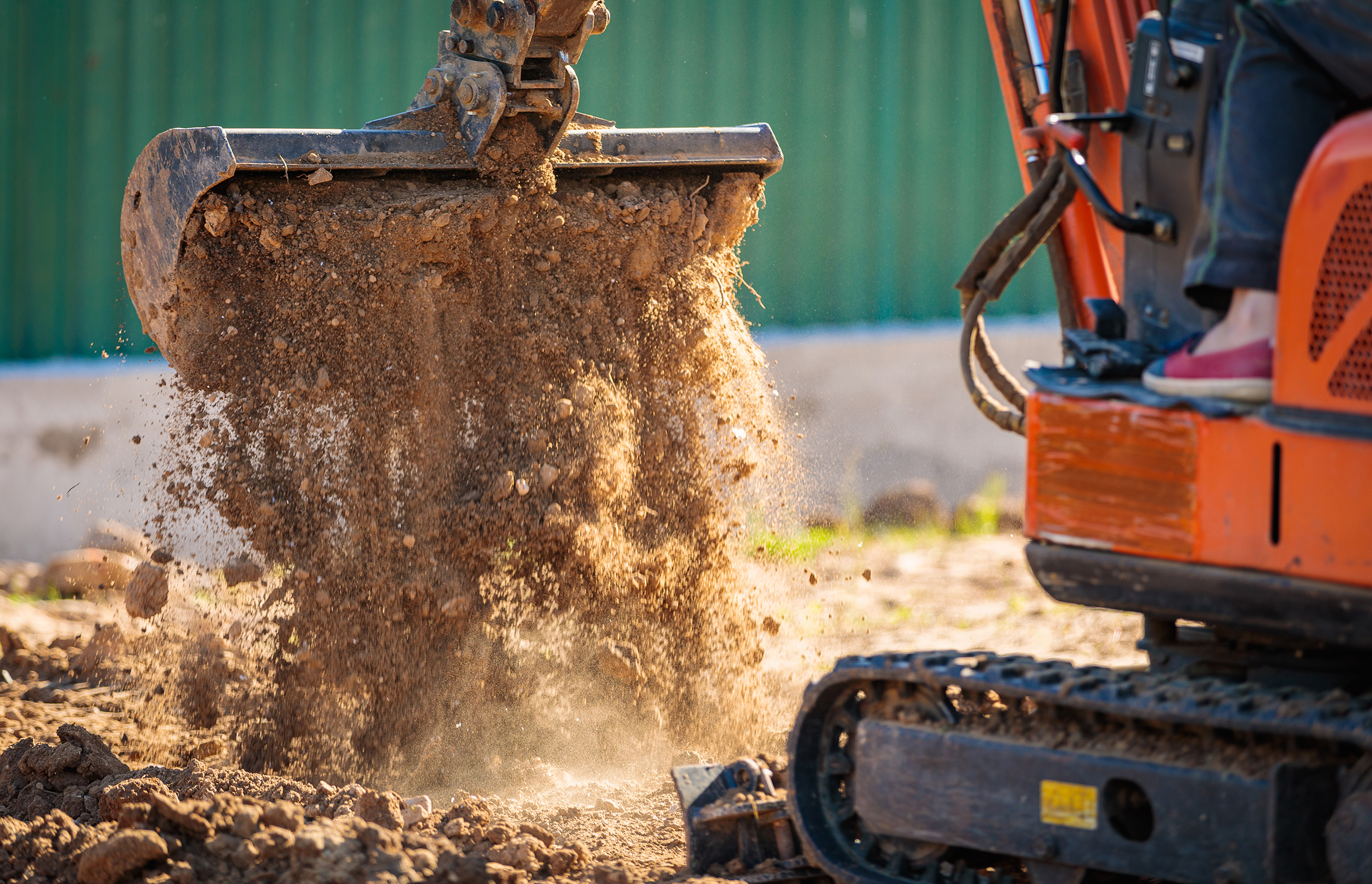
A 1-ton mini digger provides a practical combination of excavation capability, compact dimensions and manoeuvrability. These machines are commonly chosen for landscaping, residential groundwork, drainage, fencing, planting and smaller construction projects where a full-size excavator would be unnecessarily large or difficult to position.
Despite its compact size, a 1-ton mini digger can complete a surprisingly varied selection of jobs. The machine can dig trenches, prepare shallow footings, create planting holes, remove soil, shape outdoor spaces and operate compatible attachments. However, it is also important to understand its limitations before deciding whether it is suitable for your project.
Mini Diggers Online supplies the Hornet HT10CKS 1-ton Mini Digger, an upgraded compact excavator featuring an 11.5HP diesel engine, 360-degree rotation, electric start, a swing boom, rubber tracks and a quick-fit attachment system. It is supplied with 380mm, 500mm and 600mm buckets.
This guide explains what a 1-ton mini digger can do, the projects it can support, the benefits of owning one and the situations where a larger machine may be more appropriate.
What Is a 1-Ton Mini Digger?
A 1-ton mini digger is a compact excavator designed for smaller construction, landscaping and groundwork projects. The term “1-ton” refers to the machine’s general operating-weight class rather than the amount of material it can lift or carry.
Its smaller size allows it to work in places where larger excavators may be difficult to use. This can include residential gardens, driveways, courtyards, narrow building sites, paddocks and areas around existing structures.
The machine consists of a tracked undercarriage, rotating upper body, operator controls, boom, dipper arm and bucket. Different buckets and attachments can be connected to the arm depending on the work being completed.
The Hornet HT10CKS includes a swing boom, which helps the operator position the digging equipment without constantly moving the entire machine. Its 360-degree rotation also allows excavated material to be moved from the digging area to a nearby pile, skip or dumper.
What Jobs Can a 1-Ton Mini Digger Complete?
A 1-ton mini digger can support many stages of a landscaping, building or property-improvement project. Its suitability will depend on site access, soil conditions, required excavation depth, available attachments and operator competence.
Common uses include:
- Garden landscaping and renovation
- Drainage installation
- Trenching for pipes and cables
- Shallow foundations and footings
- Fence-post preparation
- Tree and shrub planting
- Patio and driveway preparation
- Pond excavation
- Soil and rubble removal
- Backfilling
- Ground shaping and levelling
- Suitable concrete breaking with a compatible attachment
Landscaping and Garden Renovation
Landscaping is one of the most common uses for a 1-ton mini digger. Many garden projects require more than surface-level preparation, particularly when soil must be removed, ground levels changed or new features installed.
A compact mini digger can help remove old borders, reshape sloping areas, create planting beds and prepare the ground for new landscaping features. It can also excavate space for patios, pathways, retaining structures, ponds and garden buildings.
The advantage of a smaller machine is that it may be easier to position around existing fences, trees, walls and buildings. This can make it particularly useful for residential projects where the rest of the garden must remain largely undisturbed.
The machine’s rubber tracks can also provide traction across suitable ground while distributing its weight over a broader surface than narrow wheels. Nevertheless, operators should assess ground conditions carefully, particularly after heavy rain or when working on soft, uneven or sloping land.
Digging Drainage Trenches
A 1-ton mini digger is well suited to many domestic and small-scale drainage projects.
It can excavate trenches for land drains, rainwater pipes, water supplies and other suitable underground services. A narrow bucket allows the operator to create a controlled trench without removing substantially more soil than necessary.
The Hornet HT10CKS is supplied with a 380mm bucket, which can be useful for narrower excavation work. The included 500mm and 600mm buckets provide broader options for general digging and larger drainage areas.
Before excavation begins, the route of existing pipes, cables and other underground services must be identified. The trench dimensions, fall and construction should also be planned according to the requirements of the drainage system being installed.
A mini digger can perform the excavation, but correct drainage design remains essential. Poorly planned trenches can lead to standing water, ineffective drainage or damage to surrounding ground.
Trenching for Pipes and Cables
In addition to drainage, compact mini diggers can prepare trenches for pipes, electrical cables and other suitable services.
The swing boom can be particularly helpful when working alongside a wall, fence or existing structure. It allows the bucket to work to one side of the machine, reducing the need to reposition the entire digger repeatedly.
A 1-ton machine may be sufficient for domestic utility trenches and smaller site installations. Larger, deeper or more demanding projects may require a heavier excavator with increased digging capability.
The trench should always be planned before work starts, with attention given to depth, width, ground stability and the location of existing services.
Preparing Foundations and Footings
A 1-ton mini digger can prepare shallow foundations and footings for suitable small-scale projects.
Potential applications include:
- Garden rooms
- Sheds and workshops
- Small outbuildings
- Walls and landscaping structures
- Extensions with suitable excavation requirements
- Decking and raised structures
- Gates and substantial fence posts
The digger can remove the main volume of soil much faster than manual excavation. A narrower bucket can then help refine specific sections of the footing.
The required foundation dimensions should be confirmed before excavation. Building design, ground conditions and structural requirements determine the correct depth and width—not the capabilities of the machine.
For larger foundations, deeper excavation or sustained construction work, the Hornet HT15LKS-2 1.5-ton Mini Digger may be the more suitable option.
Fencing and Post-Hole Preparation
A 1-ton mini digger can support agricultural, commercial and residential fencing projects.
Using a bucket, the machine can clear an old fence line, remove unsuitable soil and prepare larger holes for gate posts, corner posts and substantial fencing supports. With a compatible auger, it may also be able to bore more controlled post holes.
The machine can assist with removing old posts and clearing roots or compacted material from the proposed fence line. Its compact format can be helpful when working along boundaries where space is restricted.
Attachment compatibility should always be confirmed before purchasing an auger or specialist fencing tool. The HT10CKS uses a quick-fit attachment system and is listed as compatible with several attachment types, including augers, forks, grapples and ripping hooks.
Tree and Shrub Planting
Planting mature trees and large shrubs often requires holes that are wider and deeper than those easily prepared by hand.
A 1-ton mini digger can excavate planting holes, loosen surrounding soil and move removed material away from the working area. It may also assist with preparing larger planting beds or removing unwanted roots from previous vegetation.
The integrated thumb grab on the Hornet HT10CKS can help handle suitable logs, branches, pipes and debris.
Care is still required when working near retained trees. Roots can extend significantly beyond the visible canopy, and unnecessary excavation may damage established vegetation. The project should be planned to avoid harming trees or structures that are intended to remain.
Patio and Driveway Preparation
A successful patio or driveway depends on correct ground preparation.
A 1-ton mini digger can remove turf, topsoil and unsuitable material from the proposed area. It can also help establish the required depth and create space for the sub-base, bedding layer and finished surface.
The machine can be used to load removed soil into a skip or compact transporter. It may also assist with spreading suitable aggregate before more precise levelling and compaction are completed using the appropriate equipment.
For residential driveways and garden patios, the compact HT10CKS may provide a useful balance between digging performance and manoeuvrability. Larger areas or difficult ground may benefit from a heavier machine.
Digging Garden Ponds and Water Features
A compact mini digger can excavate ponds, wildlife areas and other garden water features.
The operator can remove the main volume of material, shape different levels and prepare shelves for plants or edging. Different bucket widths can help create both broader excavated areas and narrower details.
Pond excavation can produce a considerable amount of soil. Before work starts, decide whether that material will be reused elsewhere, stored temporarily or removed from the site.
A compact dumper can make this part of the project significantly easier. Browse the Dumpers and Transporters range for machinery designed to move soil, stone, timber, tools and other suitable materials around a working site. The live Dumpers category describes petrol dumpers and tracked transporters intended for moving construction and landscaping materials.
Backfilling and Ground Reinstatement
Once pipes, drainage systems or foundations have been installed, the excavated area often needs to be backfilled.
A 1-ton mini digger can return suitable excavated material to the trench or footing. The bucket can place the material gradually, helping the operator distribute it more evenly than tipping everything back at once.
Backfilling must be completed according to the requirements of the installation. Some projects require imported material, protective layers or staged compaction rather than simply returning the original soil.
The digger can also help spread remaining soil and perform initial ground shaping before final levelling, raking or landscaping.
Moving Soil, Rubble and Materials
A mini digger can move soil and suitable materials over short distances using its bucket. It can also load material directly into a dumper, trailer, skip or designated storage area.
The integrated thumb grab available on the Hornet HT10CKS can assist with handling suitable logs, pipes and debris. However, every lifting or handling task must remain within the capabilities of the machine and attachment.
For projects producing a substantial volume of material, a dumper is usually more efficient than attempting to carry everything across the site in the digger bucket.
Combining a mini digger with a compact transporter creates a practical workflow:
- The mini digger excavates the material.
- The material is loaded into the dumper.
- The dumper carries it to a skip or storage area.
- The digger continues working without repeatedly travelling across the site.
Breaking Concrete and Hard Surfaces
A 1-ton mini digger can support suitable concrete-breaking and light demolition work when fitted with a compatible hydraulic breaker.
The Hornet Hydraulic Breaker Kit is designed for compatible mini diggers from 0.8 to 1.5 tonnes. The current listing states that it is suitable for breaking concrete, rock and other tough surfaces, and that it uses a 25mm pin size.
Potential applications include breaking up:
- Small concrete slabs
- Paths
- Patio bases
- Suitable foundations
- Hard ground
- Rock and compacted material
A compact breaker is not a replacement for heavy demolition machinery. The thickness, reinforcement and condition of the material should be assessed before work begins.
Benefits of a 1-Ton Mini Digger
Compact Dimensions
One of the main advantages is the ability to work in relatively confined spaces. A 1-ton machine can be easier to position within gardens, yards and residential sites than a larger excavator.
Manoeuvrability
The rotating upper structure and swing boom provide flexibility when digging beside boundaries or existing structures. The operator can reposition the bucket without moving the whole machine for every excavation.
Reduced Manual Labour
Tasks that would take considerable time and physical effort by hand can often be completed much more efficiently with compact machinery. This includes trenching, soil removal, planting-hole preparation and loading a dumper.
Multiple Applications
A 1-ton digger is not limited to one type of project. Buckets and compatible attachments allow it to support excavation, trenching, material handling, breaking and ground preparation.
Useful for Trade and Private Projects
A compact digger can be valuable to landscapers, builders, fencing contractors, drainage specialists, self-builders, smallholders and property owners with recurring excavation requirements.
Attachment Compatibility
The Hornet HT10CKS is listed as compatible with breakers, graders, grapples, augers, forks and ripping hooks. Its quick-fit system is intended to make compatible accessory changes faster.
Browse current buckets, tracks, breakers and other products through the Mini Digger Accessories category. Current online availability may vary.
What Are the Limitations of a 1-Ton Mini Digger?
Although a 1-ton mini digger is versatile, it is not suitable for every project.
Less Power Than a Larger Excavator
A compact engine and hydraulic system will generally provide less digging and lifting capability than a heavier machine. Demanding ground or sustained professional excavation may favour a 1.5-ton or larger model.
Limited Digging Depth and Reach
A smaller boom and arm will typically offer less reach than those fitted to larger excavators. Deep trenches and substantial foundations may require a different machine.
Limited Lifting Capacity
A 1-ton mini digger can handle suitable materials, but it should not be treated as a crane or large lifting machine. Machine stability, load weight, attachment position and ground conditions all affect safe handling.
Smaller Bucket Capacity
A compact bucket moves less material per cycle than a bucket on a larger excavator. This may make a 1-ton machine slower on projects involving a substantial volume of excavation.
Ground Conditions Can Restrict Performance
Very hard, rocky, unstable or waterlogged ground may reduce productivity. The correct bucket or attachment can help, but it cannot remove the fundamental limitations of the machine.
Restricted Access Still Requires Measurement
“Compact” does not mean a mini digger will fit through every garden entrance. The complete access route, machine dimensions and available operating space must be checked before delivery.
Operator Skill Is Still Required
Compact excavators may appear straightforward, but safe and efficient operation requires care, awareness and competence. The operator must understand the controls, machine stability, site hazards and attachment limitations.
When Should You Consider a 1.5-Ton Mini Digger Instead?
A 1.5-ton mini digger may be the better choice when:
- The machine will be used regularly for professional work
- Projects involve larger foundations or deeper trenches
- Ground conditions are frequently demanding
- Increased engine power is a priority
- A greater volume of material must be excavated
- The site provides sufficient access and operating space
- The machine will regularly handle heavier attachments or materials
The Hornet HT15LKS-2 provides a 25HP liquid-cooled diesel engine and heavier-duty construction for more demanding applications.
For garden landscaping, residential drainage and lighter groundwork, the 1-ton model may remain the more practical choice. The correct decision should be based on the majority of your projects rather than one unusually large job.
Is Buying a 1-Ton Mini Digger Worth It?
Purchasing a mini digger may make sense when excavation work is required regularly.
Ownership gives you greater control over project scheduling. The machine can be available when ground and weather conditions are suitable, without needing to coordinate repeated hire periods.
A purchased machine can also be adapted with compatible buckets and attachments as your requirements change. This may provide long-term value for landscapers, contractors, property developers, smallholders and homeowners completing several substantial projects.
Before buying, consider:
- Expected frequency of use
- Secure storage
- Transportation
- Maintenance requirements
- Attachment costs
- Site access
- The typical scale of your projects
Buying may be less suitable when the machine will be required only once or when transport and storage cannot be arranged.
Choosing the Right Attachments
The standard bucket is sufficient for many excavation jobs, but specialist attachments can extend the machine’s usefulness.
Potential options include:
- Narrow trenching buckets
- Wider grading buckets
- Hydraulic breakers
- Augers
- Grapples
- Forks
- Ripping hooks
- Thumb grabs
The Hornet HT10CKS includes 380mm, 500mm and 600mm buckets, providing three options for different excavation widths.
The website also currently lists a 200mm Bucket, an 800mm Bucket, a replacement Track for the Hornet 1-ton Mini Digger and the Hornet hydraulic breaker. Compatibility should be checked carefully before ordering.
What Should You Check Before Ordering?
Before purchasing a 1-ton mini digger:
- Measure the entire access route.
- Check the machine’s published dimensions.
- Consider the required digging depth and project scale.
- Assess the ground conditions.
- Plan transportation and unloading.
- Arrange secure storage.
- Identify the buckets and attachments required.
- Plan how excavated material will be moved.
- Confirm attachment compatibility.
- Ask for advice when the machine’s suitability is unclear.
You can compare the current machinery through the Mini Diggers category or browse All Products.
Final Thoughts
A 1-ton mini digger can complete far more than basic garden excavation. It can prepare drainage trenches, dig footings, support fencing and planting, create ponds, remove soil, load dumpers and operate compatible attachments.
Its main strengths are compact dimensions, manoeuvrability and versatility. These qualities make it particularly useful for residential landscaping, self-build projects and smaller construction sites.
Its limitations should also be considered. A 1-ton machine provides less power, reach, lifting capability and bucket capacity than a larger excavator. Projects involving extensive excavation, larger foundations or frequent professional work may be better suited to a 1.5-ton machine.
The Hornet HT10CKS 1-ton Mini Digger combines an 11.5HP diesel engine with three included buckets, 360-degree rotation, a swing boom and compatibility with a range of attachments.
Browse the Mini Diggers range, explore attachments and accessories or contact Mini Diggers Online for product, compatibility and delivery information.
Frequently Asked Questions
Can a 1-ton mini digger dig foundations?
A 1-ton mini digger can prepare suitable shallow foundations and footings for garden buildings, landscaping structures and smaller construction projects. Larger or deeper foundations may require a heavier machine.
Is a 1-ton mini digger suitable for drainage?
Yes. It can excavate trenches for domestic drainage, land drains, rainwater pipes and other suitable services. The trench dimensions and fall must still be planned correctly.
Can a 1-ton mini digger break concrete?
It can break suitable concrete and hard surfaces when fitted with a compatible hydraulic breaker. The Hornet Hydraulic Breaker Kit is designed for compatible machines between 0.8 and 1.5 tonnes.
What buckets come with the Hornet HT10CKS?
The current product listing includes 380mm, 500mm and 600mm digging buckets.
Can a 1-ton mini digger plant trees?
Yes. It can excavate planting holes, loosen soil and move removed material. Care should be taken when working near roots belonging to retained trees.
Is a 1-ton mini digger suitable for professional use?
It may suit landscapers, fencing contractors, drainage specialists and other trades completing compact excavation work. Businesses regularly undertaking heavier projects may benefit from a larger model.
Can a mini digger lift logs and pipes?
The HT10CKS includes an integrated thumb grab intended for handling suitable logs, pipes and debris. The load must remain within the machine’s capabilities.
Do I need a dumper as well?
A dumper is not essential, but it can make projects more efficient when substantial quantities of soil, rubble or aggregate must be moved around the site.
Is a 1-ton mini digger easy to transport?
Its compact size can make it more manageable than a larger excavator, but transportation must still account for the machine’s total dimensions and weight and use suitable equipment.
Where can I buy a 1-ton mini digger?
View the Hornet HT10CKS 1-ton Mini Digger or contact Mini Diggers Online for current product and delivery information.

