
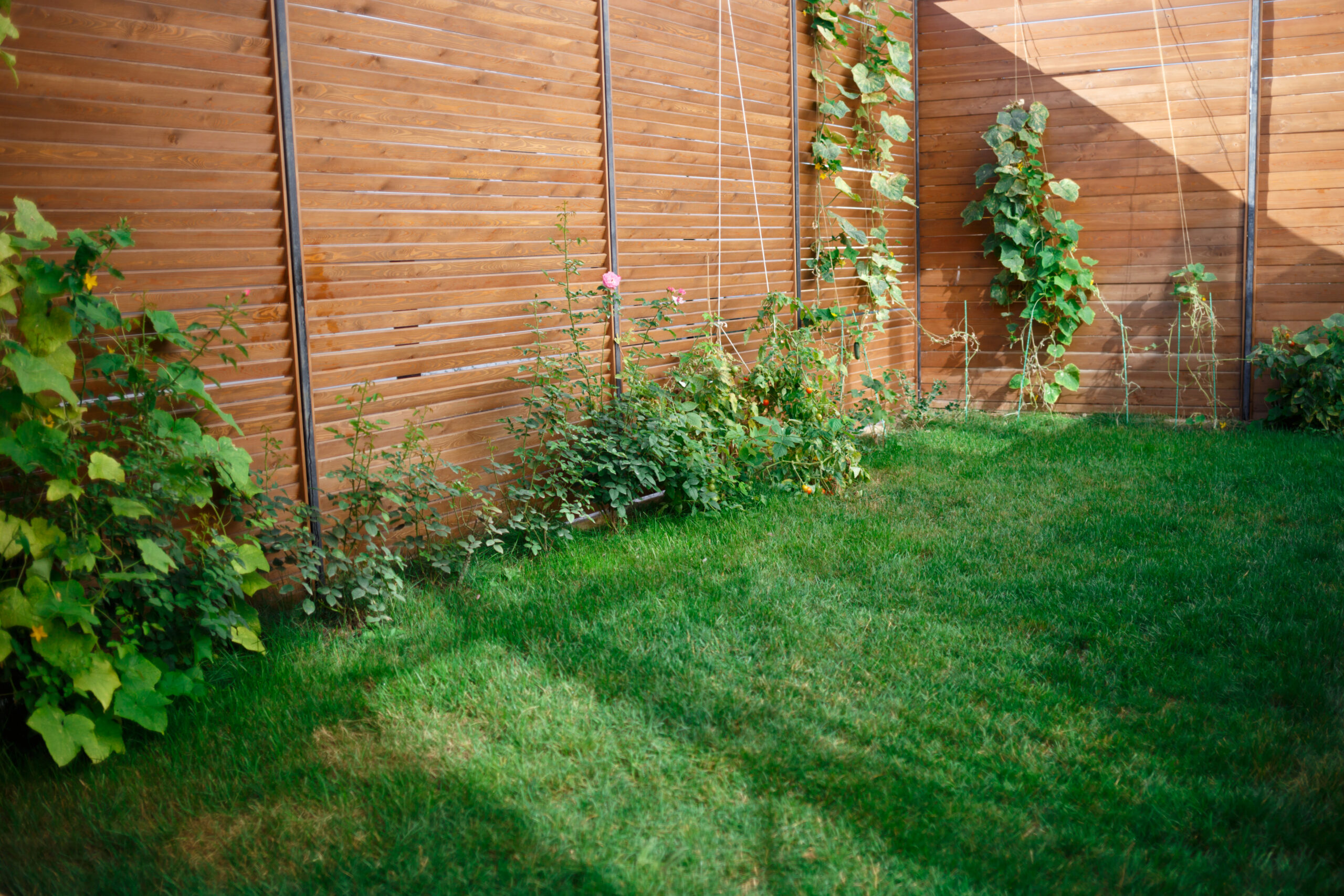
A new fence, gate or boundary feature can improve privacy, security and the overall appearance of a property. It can define a garden more clearly, make outdoor spaces feel more finished and support wider landscaping or renovation plans.
However, successful fencing work begins before the first post is installed.
Ground conditions, existing levels, roots, old concrete, drainage, access and material movement can all affect how straightforward the project becomes. If the site is not prepared properly, installation may take longer, posts may be harder to position accurately and the finished boundary may not perform as expected.
Compact machinery can make this preparation stage more efficient. Mini diggers and suitable attachments can help clear old materials, dig post holes, prepare trenches, move spoil and create a more workable site, especially where manual digging would be slow or difficult.
Start With the Purpose of the Boundary
Before groundwork begins, it is important to understand what the new boundary needs to achieve.
A decorative garden fence may have different requirements from a boundary designed for privacy, pet containment, security or wind protection. A simple timber fence along a lawn edge may need less preparation than a larger gate, retaining feature or commercial boundary.
The purpose will influence the height, materials, post spacing and depth of preparation required. It may also affect whether additional groundwork is needed for gates, drainage, landscaping or access routes.
A clear plan helps avoid changes halfway through the project. It also makes it easier to choose the right equipment and estimate how much soil, rubble or old material may need to be moved.
Inspect the Existing Boundary
Many fencing projects begin with removing an old boundary.
This might include timber panels, concrete posts, chain-link fencing, old hedging, damaged gates or crumbling walls. The condition of the existing boundary can affect how much preparation is needed before new work can begin.
Old posts may be set into concrete that needs breaking out. Overgrown hedges may have roots that make digging more difficult. Previous fencing lines may not be straight, level or suitable for the new layout.
Before ordering materials or hiring equipment, inspect the full boundary line. Look for obstacles such as tree roots, drains, inspection covers, walls, slopes, buried rubble and uneven ground.
Identifying these issues early helps reduce delays once installation starts.
Mark Out the Fence Line Clearly
Accurate marking is essential for fencing and boundary work.
The proposed fence line should be clearly marked before excavation begins. This helps confirm where posts, gates and corners will sit and whether the line works with the surrounding garden or site layout.
It is also important to check boundaries carefully. Where a fence sits close to a neighbouring property, shared boundary or access route, make sure the position is agreed and understood before work starts.
A straight line may look simple on paper but become more complicated on sloping or uneven ground. Marking the route in advance allows any practical issues to be spotted before post holes are dug.
Check for Underground Services
Any digging project should consider underground services before excavation begins.
Electric cables, gas pipes, water pipes, drainage runs, telecoms cables and irrigation systems may all be hidden below ground. This is especially relevant near houses, garages, garden buildings, driveways and older boundaries where previous work may have taken place.
Never assume that a boundary line is clear simply because there are no visible signs at the surface. Appropriate checks, service plans or professional advice may be needed before digging.
This is particularly important where post holes are deep, where old concrete is being removed or where machinery will be used close to the property.
Use Mini Diggers for Post Holes and Site Clearance
Mini diggers can be useful for several stages of a fencing project.
With the right attachment, they can help dig post holes more efficiently and consistently than manual digging alone. They can also remove old concrete, clear vegetation, move soil and prepare the working area along the boundary line.
Mini Diggers Online supplies machinery and attachments for domestic and professional customers, including compact excavators that can support landscaping, trenching, foundations, planting, drainage installation and site preparation. Their range also includes attachments such as digging buckets, grading buckets, trenching buckets and augers for drilling and digging holes.
For longer fence runs or more difficult ground, compact machinery can reduce physical labour and help keep the project moving.
Plan Access Before Machinery Arrives
Access is one of the most important practical considerations for any garden or boundary project.
A mini digger may need to pass through gates, side passages, driveways or narrow paths to reach the working area. Before arranging machinery, measure access points and check for obstacles such as steps, low branches, tight corners, drain covers, uneven paving and overhead restrictions.
Ground conditions should also be reviewed. Soft, wet or steep ground may affect how equipment can move safely around the site.
Good access planning can prevent delays and reduce the risk of damage to lawns, paving or existing garden features.
Think About Drainage Along the Boundary
Fencing projects can affect water movement.
A new fence line, retaining feature, raised bed or boundary wall can alter how rainwater travels through a garden. If water becomes trapped along the boundary, it may create muddy areas, damage planting or contribute to movement around posts.
Before installation, consider whether the boundary line sits in a low or wet part of the garden. Look for signs such as standing water, moss, soft soil or areas that stay damp long after rainfall.
Roof water should also be considered where downpipes discharge close to the boundary. If water from the house or outbuilding is already creating wet ground, the fencing project may be an opportunity to improve drainage routes.
Homeowners and contractors reviewing rainwater management as part of wider exterior work can explore aluminium gutters, downpipes, fascias, soffits and wall copings from Alugutter. Alugutter manufactures and supplies aluminium rainwater and eaves systems across the UK.
Prepare for Gates and Heavier Sections
Gates usually need more careful preparation than standard fence panels.
A gate creates movement, load and regular use, so the posts and surrounding ground need to be stable. Wider or heavier gates may require more substantial support and accurate alignment.
Before digging gate post holes, check that there is enough space for the gate to open properly. Consider paths, driveways, slopes, steps, walls, bins, garden furniture and vehicle access.
It is also useful to think about how the gate will be used day to day. A gate leading to a driveway, side access or garden storage area may need a wider opening than a decorative pedestrian gate.
Good groundwork preparation helps the gate operate smoothly and reduces the chance of problems developing after installation.
Manage Spoil and Waste Efficiently
Fencing and boundary projects can generate more waste than expected.
Old panels, broken posts, concrete footings, roots, rubble and excavated soil all need to be dealt with. If waste is not managed properly, it can quickly block access and make the site harder to work in.
Plan where materials will be placed temporarily and how they will be removed. A compact dumper or transporter can help move soil, stone, timber and debris around the site, reducing manual carrying and keeping the working area more organised.
Mini Diggers Online supplies dumpers and compact transporters alongside mini diggers, which can help with moving soil, stone, timber, tools and debris during construction and landscaping projects.
Consider Levels and Finished Appearance
A fence does not exist in isolation. It needs to work with the shape and levels of the garden.
On sloping ground, decisions may be needed about whether the fence should step, follow the slope or combine with retaining features. Each approach affects the finished look and the preparation required.
Where the fence meets patios, lawns, planting beds or paths, consider how the transition will appear once the work is complete. A small amount of levelling or edging may be needed to create a cleaner finish.
It is also worth thinking about future maintenance. Leave enough space to access the fence for painting, repairs or vegetation control. Avoid planting or building features too close to the boundary if they will make upkeep difficult.
Coordinate Fencing With Wider Landscaping
Fencing often forms part of a larger garden or property improvement project.
A homeowner may be installing new fencing before laying a patio, levelling a lawn, building raised beds or creating a garden room. Contractors may be improving boundaries as part of a driveway, drainage or exterior refurbishment project.
Coordinating these stages can save time and reduce disruption. For example, it may be easier to complete drainage trenches or ground levelling before fence panels restrict machinery access. Similarly, heavy materials may need to be moved through the garden before the final gate or boundary section is installed.
A clear order of work helps prevent completed areas from being disturbed later.
Good Preparation Creates a Stronger Boundary
A well-installed fence or boundary feature depends on more than the panels chosen.
Ground conditions, post-hole preparation, access, drainage, spoil management and layout decisions all affect the final result. Taking time to prepare properly can help the project run more smoothly and produce a boundary that looks better, functions well and is easier to maintain.
Mini Diggers Online supplies mini diggers, dumpers, transporters, groundcare machinery, chippers, attachments and accessories for domestic and professional customers across the UK.
Contact Mini Diggers Online today to explore compact machinery for fencing, boundary preparation, landscaping and groundwork projects.

